
Published September 19, 2025
🏡 How to Get a Building Permit in Elbert County, CO: A Step-by-Step Guide for Buyers and Sellers

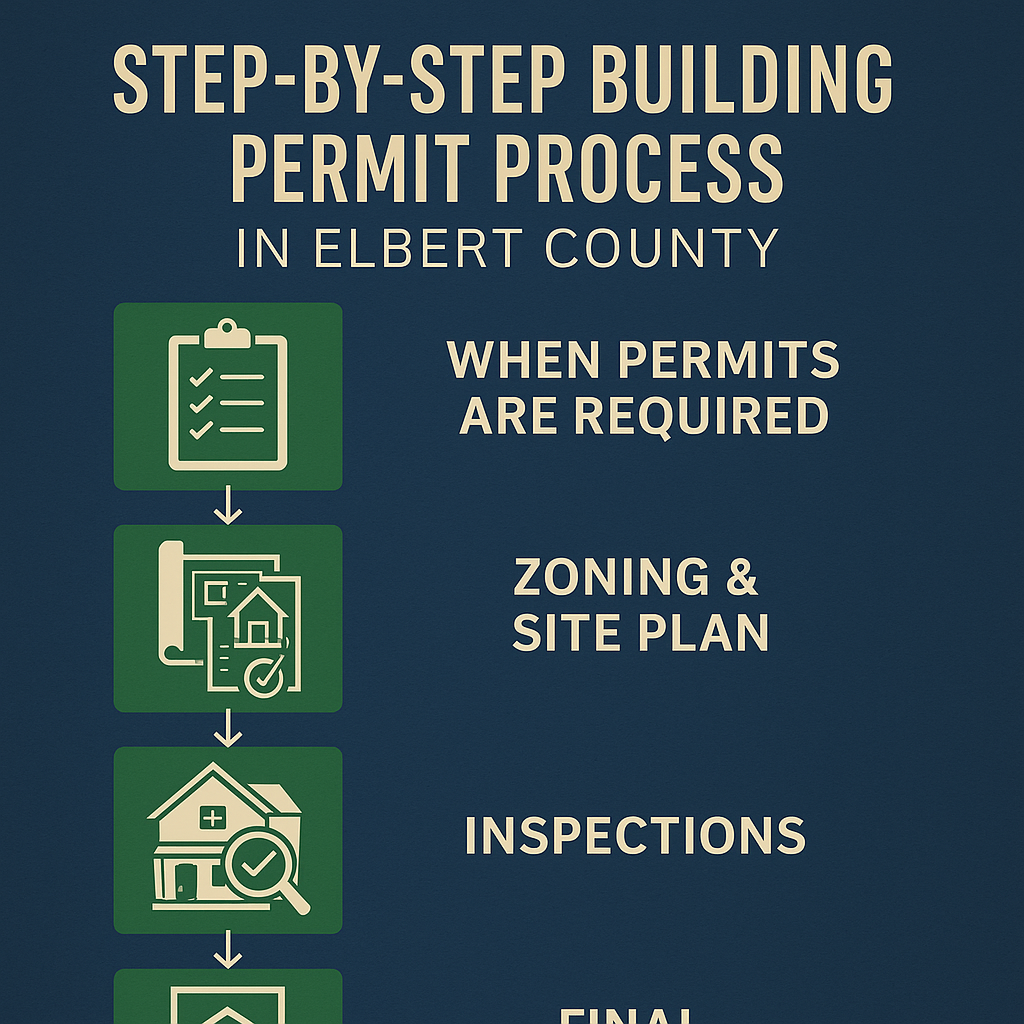
Why Building Permits Matter in Elbert County
If you’re buying land, building a custom home, or preparing to sell property in Elbert County, Colorado, you’ll likely need to deal with building permits. These permits ensure your construction complies with county regulations, zoning laws, and safety standards. For buyers, confirming permits are in place prevents future headaches. For sellers, having proper documentation boosts property value and buyer confidence.
Step 1: Determine If You Need a Permit
In Elbert County, permits are required for most construction, including:
New homes, barns, or garages 🏠
Additions, remodels, or finishing basements 🔨
Decks, porches, or patios 🌿
Electrical, plumbing, and mechanical work ⚡💧🔥
Minor cosmetic projects like painting or flooring typically do not require a permit.
Step 2: Check Zoning and Property Requirements
Before applying, confirm your property’s zoning designation. Rural acreage, agricultural parcels, and residential lots may each have different rules. Buyers should review zoning restrictions before making an offer, while sellers should ensure existing improvements comply.
Resources:
Elbert County Planning & Zoning Department
GIS & zoning maps online
Step 3: Gather Required Documents
When applying for a building permit, be ready to provide:
A completed application form
Site plan showing boundaries, setbacks, and proposed work
Construction drawings (architectural/structural plans)
Contractor details (must be licensed in Colorado)
Septic or well permits (if applicable for rural properties)
Step 4: Submit Your Application
Applications can typically be submitted online or in person at the Elbert County Building Department. Fees vary depending on the size and scope of the project.
Step 5: Schedule Inspections
Once your permit is approved, required inspections must be scheduled during construction. This ensures your project meets building codes and safety standards. Common inspections include:
Footings and foundation
Framing
Electrical and plumbing rough-ins
Final inspection before occupancy
Step 6: Receive Your Certificate of Occupancy
For new builds or major projects, the county will issue a Certificate of Occupancy (CO) once all inspections are passed. This document proves your home or building is safe and legal for use.
Why This Matters for Buyers & Sellers
✔ For Buyers: Always confirm permits were pulled for major improvements. Unpermitted work can delay financing or require costly fixes.
✔ For Sellers: Having complete permit records increases buyer trust and can justify higher asking prices. Highlight compliant additions like barns, shops, or finished basements in your listing.
Final Thoughts
Navigating building permits in Elbert County doesn’t have to be overwhelming. Whether you’re constructing your dream home, adding value before selling, or buying land, understanding the process protects your investment.
👉 Ready to buy or sell in Elbert County? Contact Engle Homes Group—we specialize in land, acreage, and rural homes, and we’ll guide you through every step of the process.
📲 Call/Text: 303.881.2707 | Engle Homes Group

Marjorie Engle
| Engle Homes Group | eXp Realty
or another way