
Published November 18, 2025
Charitable Donations for Tax Write-Off (Home Goods)


Charitable Donations for Tax Write-Off (Home Goods)
When it comes to maximizing your financial benefits during tax season, charitable donations are often a valuable tool. For homeowners in the Elizabeth, Colorado area, especially in neighborhoods like Castle Rock, Parker, and Franktown, donating home goods not only supports local charities but can also lead to significant tax deductions. In this comprehensive guide, we'll explore how you can leverage these donations effectively, ensuring that you not only contribute to your community but also benefit financially.
TLDR Summary
• Donating home goods can provide tax write-offs and support local charities.
• Local neighborhoods like Castle Rock and Parker offer various donation centers.
• Tax benefits include reduced taxable income and potential capital gains tax advantages.
• Pro tips: Document all donations and understand IRS requirements.
• Consultation: Contact Marjorie Engle for advice specific to your property and tax situation.
What Are the Tax Benefits of Donating Home Goods?
Donating home goods is a straightforward way to give back to the community while gaining tax advantages. The IRS allows taxpayers to deduct the fair market value of donated items, which means the price you would get if you sold the items, not what you paid for them. This deduction can reduce your taxable income, leading to a smaller tax bill.
Pros
• Tax Deductions: Lower your taxable income by deducting the fair market value of donated goods.
• Declutter Homes: Simplify your living space while contributing to a good cause.
• Community Support: Aid local charities and support those in need.
Cons
• Record Keeping: Requires detailed documentation for IRS compliance.
• Fair Market Value: Determining this can be subjective and challenging.
How to Maximize Your Tax Deductions?
To ensure you receive the full tax benefits of your donations, it's crucial to follow IRS guidelines. Here are steps to maximize your deductions:
1. Document Everything: Keep detailed records of each item donated, including its condition and estimated value.
2. Obtain Receipts: Always get a receipt from the charity as proof of your donation.
3. Understand the IRS Limits: The IRS has specific limits on the amount you can deduct based on your income level.
4. Use IRS Publications: Refer to IRS Publication 561 for guidance on determining the value of donated property.
Example
One of my clients in the Founders Village neighborhood in Castle Rock donated a gently used sofa set to a local charity. By documenting the condition and using online resources to estimate its fair market value, they were able to deduct this amount from their taxable income, effectively reducing their tax liability for the year.
Where to Donate Furniture in Castle Rock?
Castle Rock offers several donation centers where you can drop off home goods. These centers not only accept a wide range of items but also provide the necessary documentation for tax purposes.
• Goodwill of Colorado: Located conveniently near the Meadows neighborhood, they accept furniture, appliances, and clothing.
• Habitat for Humanity ReStore: A popular choice for residents of the Cobblestone Ranch area, they accept home goods and building materials.
• Douglas/Elbert Task Force: Serving the Founders Village community, they accept all types of household items.
These centers are vital for local communities, providing affordable goods to those in need and supporting charitable missions.
What is the Impact of Donations on Capital Gains Tax?
Donating home goods can indirectly impact your capital gains tax on home sale. When you declutter your home by donating items, it can potentially increase your home's appeal and market value, leading to a higher selling price. While the primary residence tax exemption ($250,000 for individuals, $500,000 for married couples) often covers most gains, anything above this might be subject to capital gains tax. By reducing your taxable income through donations, you can potentially offset some of these gains.
Local Insight
In neighborhoods like Franktown, where homes often have expansive properties, decluttering can significantly enhance home presentation. One client, who was preparing their home for sale in this area, donated numerous items to Habitat for Humanity. This not only improved their home’s aesthetic but also resulted in a faster sale at a higher price, maximizing their tax exemptions.
Are There Specific Considerations for Colorado Residents?
Yes, Colorado residents can take advantage of state-specific benefits. The Colorado senior homestead exemption, for example, offers property tax reductions for eligible seniors. Additionally, understanding when property taxes are due in Douglas County can aid in financial planning. Being aware of 1031 exchange deadlines in Colorado is also crucial for those considering reinvestment in new properties.
Cost Estimates and Timelines
• Donation Costs: Generally free, but some centers may charge a small fee for pickup services.
• Timeline for Donations: Can be done year-round, but it's beneficial to donate before the end of the tax year to ensure deductions are applicable.
FAQs
What is the best method for determining fair market value?
The best approach is to research comparable sales of similar items online. Websites like eBay or Craigslist can provide insights into current market values. Additionally, IRS Publication 561 offers detailed guidance on valuation methods.
How do I ensure my donations qualify for a tax deduction?
Ensure that the charity is a qualified 501(c)(3) organization. Always request a receipt, and if the donation exceeds $500 in value, fill out IRS Form 8283.
Can I donate items other than furniture?
Absolutely! Many centers accept clothing, kitchenware, electronics, and more. Each item can contribute to your overall tax deduction.
Is there a limit to how much I can deduct?
Yes, the IRS limits charitable contributions to 60% of your adjusted gross income (AGI), but this can vary based on the type of donation and organization.
How does this impact the Colorado senior homestead exemption?
While the homestead exemption itself is unrelated to donations, decluttering and enhancing your property's appeal can increase its market value, which may affect future property tax assessments.
By understanding and utilizing these strategies, you can effectively maximize your tax benefits while contributing positively to your community. If you're considering making charitable donations or preparing your home for sale, it's essential to consult with a local real estate expert who understands the nuances of the Elizabeth, Colorado area.
For personalized advice and assistance with your real estate needs, feel free to reach out.
Marjorie Engle
Call or text 303-881-2707
(https://www.englehomesgroup.com/home_value)
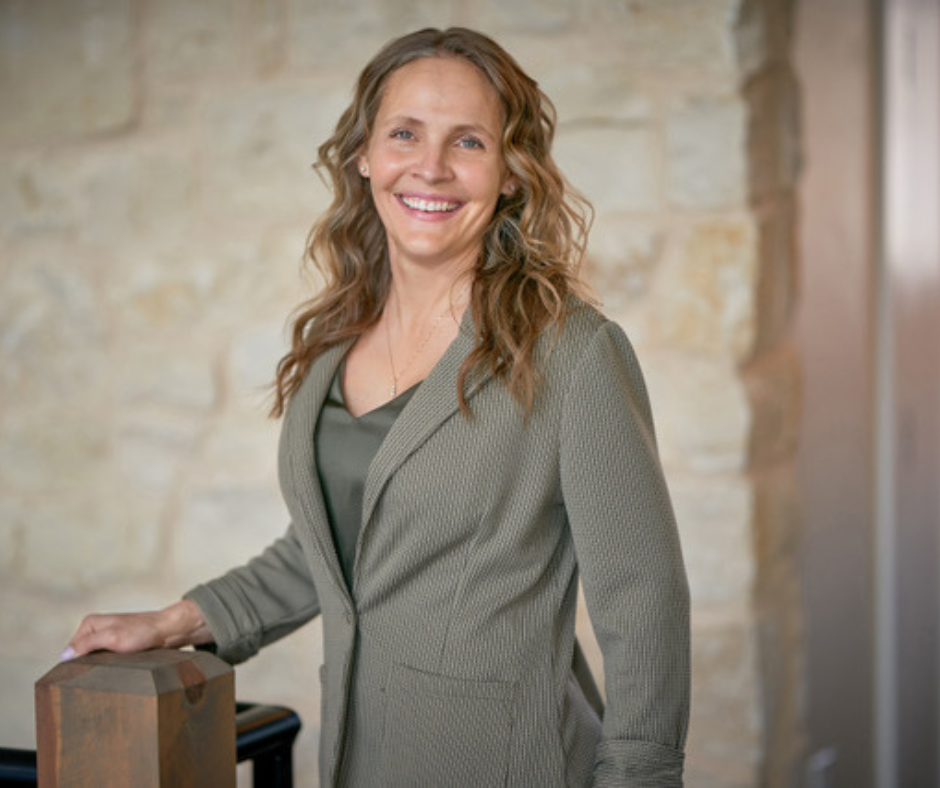
Marjorie Engle
| Engle Homes Group | eXp Realty
or another way